All Categories
Featured
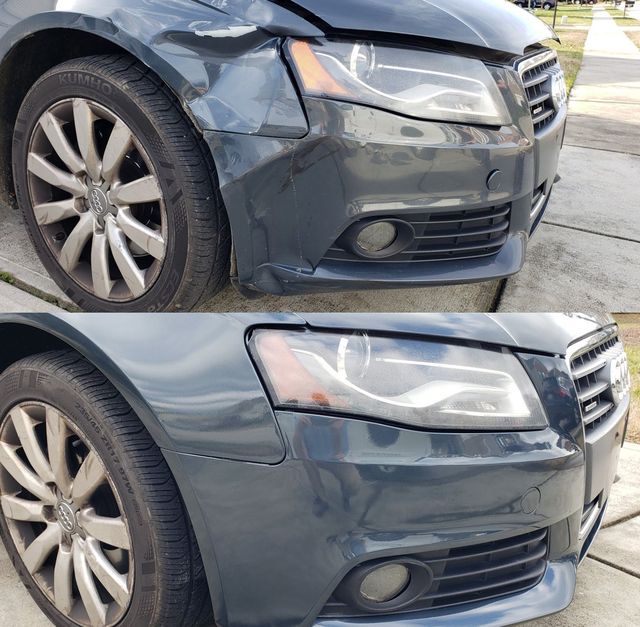
Consumer Rights: Achieving Transparency in Auto Fixes
Table of Contents
UPDATED: January 26, 2026 If your car has a dent, there are numerous repair work alternatives readily available, ranging from do it yourself methods to expert repairs. Minor dents can typically be repaired at home with basic tools like a plunger or dent repair kit. For more serious damages, paintless dent repair (PDR) is a popular technique for bring back the car without repainting.
Comprehending your options, costs, and insurance protection can assist you make the best decision for your automobile. Paintless Damage Repair Work (PDR) is a specific strategy that eliminates dents without the requirement for repainting or using fillers.
PDR is perfect for little to medium-sized dents where the paint is intact, such as door dings or minor hail damage. PDR isn't ideal for all dents.
If PDR isn't feasible, conventional body store repair work may be required. Yes, for extremely small dents, you might be able to repair the damage yourself utilizing easy, affordable techniques. Here are a few DIY techniques: A plunger can work for small, shallow damages on flat surface areas. Another technique includes using heat from a hairdryer, followed by compressed air or cold water to pop out the dent.
These packages include suction cups or glue-pulling systems designed for small to medium dents. While do it yourself methods are cost effective, they carry risks. Inappropriate techniques can lead to more damage, such as paint scratching or developing brand-new damages. If the damage is more than an easy ding, an expert repair work might be the very best alternative.
Should Auto Policy Pay for Minor Dents?
Conventional repair is necessary for bigger, much deeper dents or those with paint damage. Here's when conventional repair is needed: When the damage has actually triggered the paint to break, repainting is needed to avoid rust.
Standard repair work take longer and are more costly than PDR, however they are the go-to option for extreme damage. Standard repair work include sanding, body filler, and new paint, which changes the car's surface area.
Conventional repair work can take a number of days due to the curing process of paint. A normal PDR task can range from $50$500, depending on the damage's size, while traditional repair work can cost $1,000 or more.
Dent repair work expenses differ based upon the method and severity of the damage: These are the most budget friendly, with expenses ranging from $0 to $50 for fundamental tools. PDR expenses generally range from $50 for small dents to $500 for larger ones. This approach is the most pricey, with expenses varying from $200 to $2,500, depending upon the dent's size and place.
Top Steps for Repairing Hail Damage to VehiclesMastering How Policies Cover Small Dents
If your insurance covers the repair work, you'll pay the deductible, and the insurer will cover the rest. Choosing whether to fix a damage yourself or employ an expert depends on the damage's size, intricacy, and your convenience level with repair work. Think about the following: For small dings, DIY methods may be adequate.
If you're experienced with cars and truck repair work, Do it yourself might work, however PDR needs skill that experts have. A professional repair work might cost more in advance however can save you money in the long run by protecting your cars and truck's worth.
Car insurance can cover dent repair work if the damage resulted from a covered occurrence. Here's when insurance might use: Covers damages brought on by an accident, whether you're at fault or not. Covers damages from non-collision occasions like hail or falling objects. Covers dents triggered by an uninsured driver, if you have the protection.
To ensure you're covered for damages, consider adding accident and detailed protection to your policy. Yes however only if you have the ideal protection. Collision insurance coverage covers dents from accidents (when you hit something or somebody strikes you), and detailed insurance coverage covers dents from non-collision occasions like hail or fallen tree branches.

Latest Posts
Calculating Auto Dent Repair Costs
Accurate Dent Repair Cost Estimators

Pro Tips for Filing Hail Damage Repairs